The use of stage trusses: flexible support, unlimited creativity
2024-08-09
The use of stage trusses: flexible support, unlimited creativity
In modern performing arts and exhibition activities, stage trusses, as an important supporting structure, have become an indispensable part of various activities with their lightness, versatility and easy construction. This article will explore the use of stage trusses in depth, showing its unique charm and wide application in different occasions.
In modern performing arts and exhibition activities, stage trusses, as an important supporting structure, have become an indispensable part of various activities with their lightness, versatility and easy construction. This article will explore the use of stage trusses in depth, showing its unique charm and wide application in different occasions.
1. Structure and characteristics of stage trusses
Stage trusses, also known as Truss frames and space frames, are mainly made of aluminum alloy or high-strength steel. Its structural characteristics are a lattice structure formed by connecting straight rods through nodes, which has the advantages of reasonable force, material saving, light weight and high rigidity. This structure enables the stage truss to easily bear various equipment and weights above the stage, ensuring the stability and safety of the stage1.
Stage trusses, also known as Truss frames and space frames, are mainly made of aluminum alloy or high-strength steel. Its structural characteristics are a lattice structure formed by connecting straight rods through nodes, which has the advantages of reasonable force, material saving, light weight and high rigidity. This structure enables the stage truss to easily bear various equipment and weights above the stage, ensuring the stability and safety of the stage1.
2. Types and selection of stage trusses
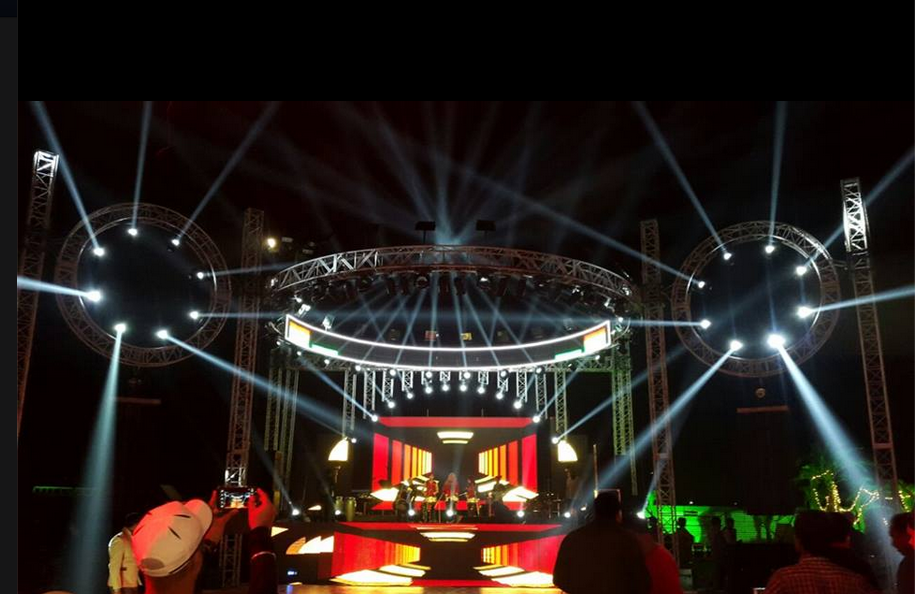
There are many types of stage trusses, which can be divided into square tube trusses and round tube trusses according to their shapes; according to their uses and designs, they can be divided into triangular trusses, trapezoidal trusses, polygonal trusses and hollow trusses. When choosing a stage truss, you need to consider the scale of the event and the expected number of participants, as well as the size of the venue, load-bearing capacity and other factors. For example, in a large-scale music concert, you may need to choose a truss type with a stronger load-bearing capacity and a more stable structure; while in a small indoor exhibition, you can choose a lighter and easier-to-build truss2.
There are many types of stage trusses, which can be divided into square tube trusses and round tube trusses according to their shapes; according to their uses and designs, they can be divided into triangular trusses, trapezoidal trusses, polygonal trusses and hollow trusses. When choosing a stage truss, you need to consider the scale of the event and the expected number of participants, as well as the size of the venue, load-bearing capacity and other factors. For example, in a large-scale music concert, you may need to choose a truss type with a stronger load-bearing capacity and a more stable structure; while in a small indoor exhibition, you can choose a lighter and easier-to-build truss2.
3. Stage truss construction process
The stage truss construction process includes the preparation stage, the construction stage and the debugging stage. In the preparation stage, you need to determine the size and specifications of the stage truss, check all construction materials, and clean the construction site. The construction stage includes steps such as building the infrastructure, building the superstructure, fixing the connectors, adjusting the balance and installing accessories. In the debugging stage, the stability, safety and functionality of the entire stage truss need to be fully inspected and tested to ensure that the stage can meet the needs of the performance or exhibition3.
The stage truss construction process includes the preparation stage, the construction stage and the debugging stage. In the preparation stage, you need to determine the size and specifications of the stage truss, check all construction materials, and clean the construction site. The construction stage includes steps such as building the infrastructure, building the superstructure, fixing the connectors, adjusting the balance and installing accessories. In the debugging stage, the stability, safety and functionality of the entire stage truss need to be fully inspected and tested to ensure that the stage can meet the needs of the performance or exhibition3.
4. Application examples of stage trusses
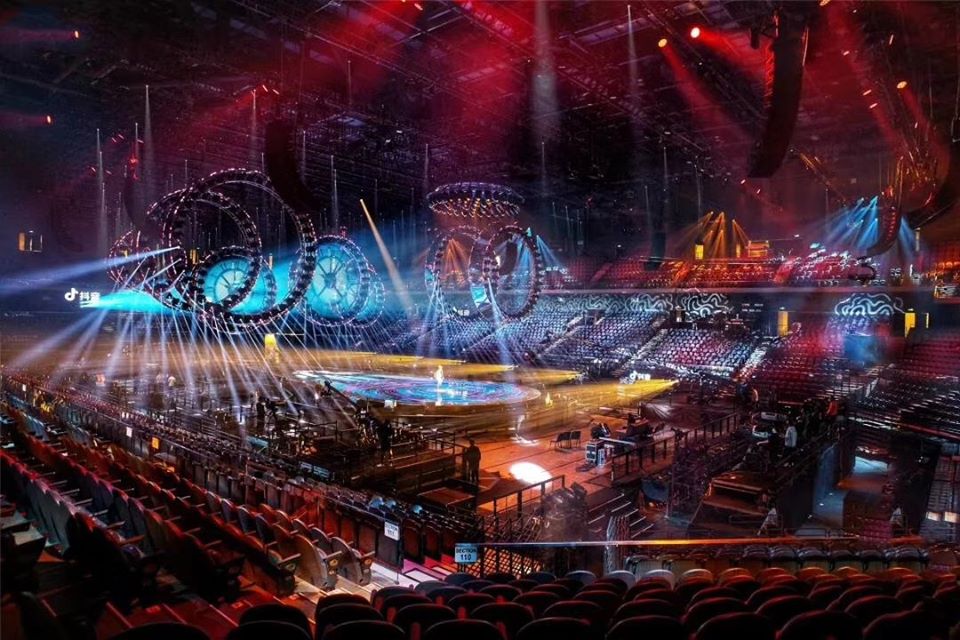
Music concerts: In music concerts, the stage truss can set up stages of different heights according to the requirements of the singer or band to highlight the visual effects of the performance. At the same time, the stage truss can also be used as a supporting structure for lighting, sound and other equipment to create a shocking stage atmosphere.
Music concerts: In music concerts, the stage truss can set up stages of different heights according to the requirements of the singer or band to highlight the visual effects of the performance. At the same time, the stage truss can also be used as a supporting structure for lighting, sound and other equipment to create a shocking stage atmosphere.
Indoor exhibitions: In indoor exhibitions, the stage truss can be used as a display platform to arrange exhibits or goods. Through flexible arrangement and adjustment, the stage truss can attract the audience's attention and enhance the attractiveness and effect of the exhibition.
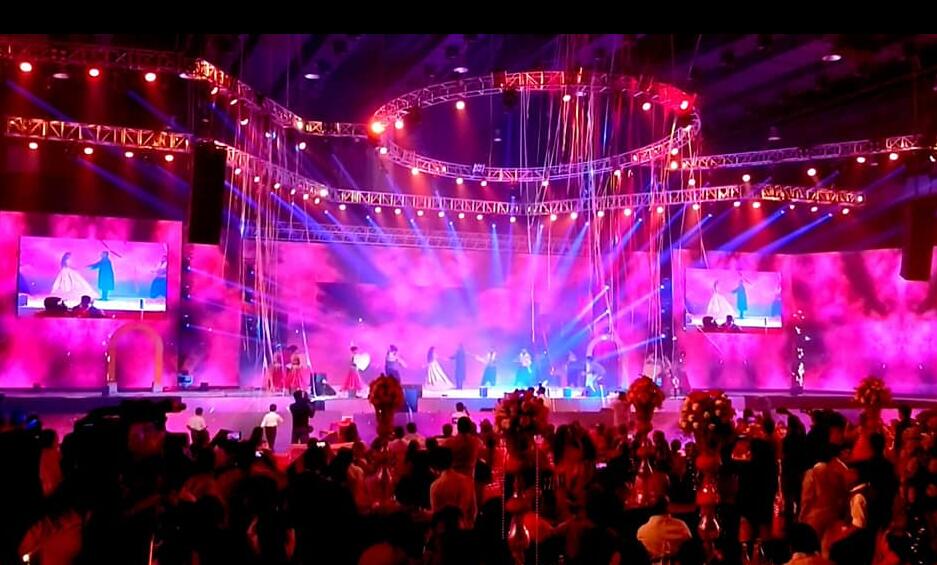
Celebrations: In weddings, celebrations and other activities, the stage truss can also play an important role. Through careful design and arrangement, the stage truss can create a romantic and festive atmosphere and add luster to the event.
5. Future development of stage trusses
With the continuous development of the performing arts and exhibition industries, the application of stage trusses will become more and more extensive. In the future, stage trusses will pay more attention to innovation and personalized design to meet the needs of different activities. At the same time, with the advancement of materials science and technology, the material and performance of stage trusses will be further improved, bringing the audience a safer, more stable and beautiful stage experience1.
With the continuous development of the performing arts and exhibition industries, the application of stage trusses will become more and more extensive. In the future, stage trusses will pay more attention to innovation and personalized design to meet the needs of different activities. At the same time, with the advancement of materials science and technology, the material and performance of stage trusses will be further improved, bringing the audience a safer, more stable and beautiful stage experience1.
In short, with its unique structure and advantages, the stage truss plays an increasingly important role in modern performing arts and exhibition activities. Through flexible application and continuous innovation, stage trusses will continue to provide strong support and protection for various activities.
Description and display effect of truss construction for stage performances
Stage truss: a solid foundation for building a dream stage